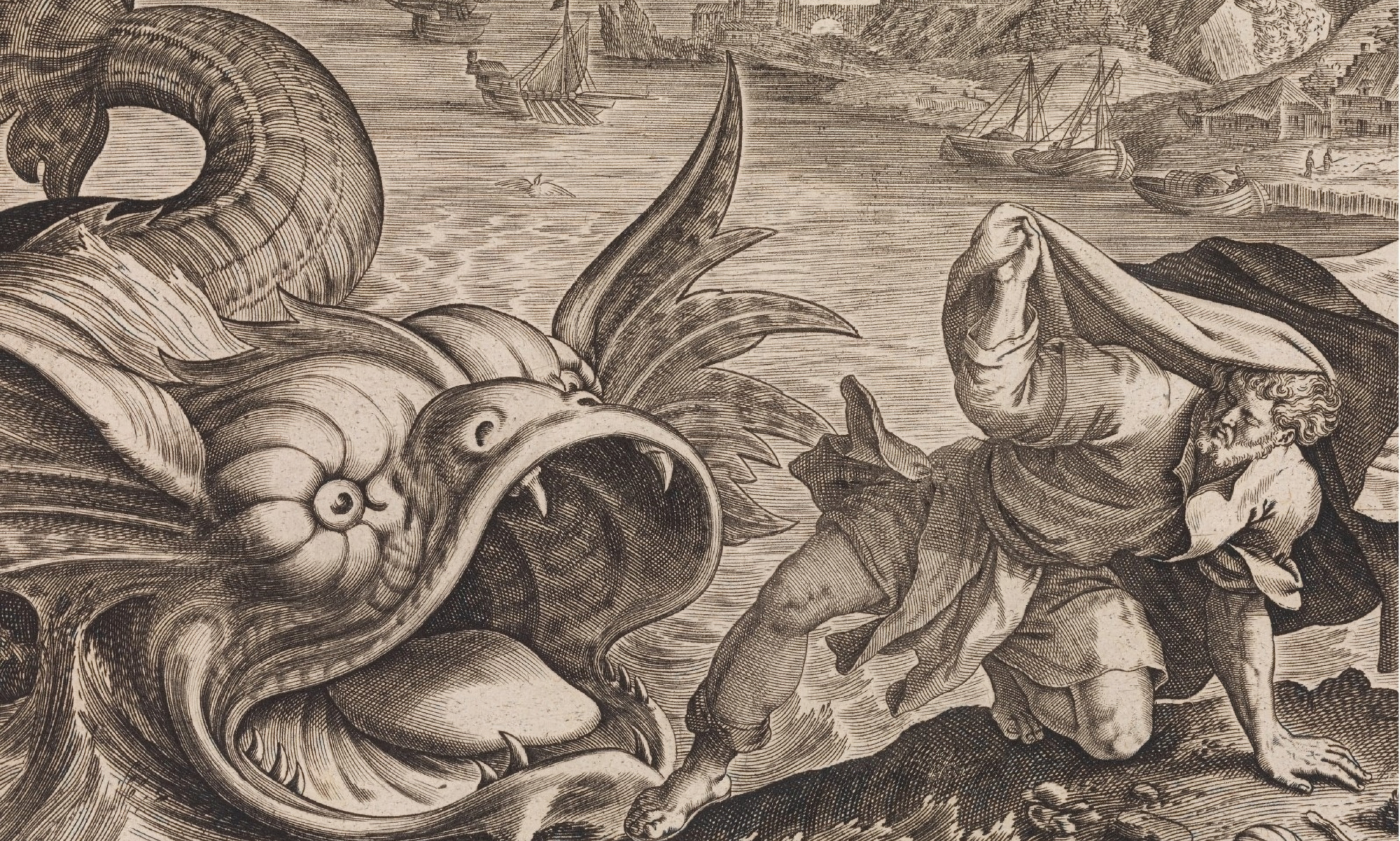
Love of life, heart and being, the downward drag of gravity, hope during an endless coma of cold, cells charged with dream – the beauty of John O’Donohue’s poetry

Another book that I find truly inspiring and refreshing is John O’Donohue’s The Four Elements. Here are some extracts from three of his poems quoted by his brother Pat in the foreword.

From ‘In Praise of Fire’

As air intensifies the hunger of fire,
May the thought of death
Breathe new urgency
Into our love of life.

As short as the time
From spark to flame,
So brief may the distance be
Between heart and being.

May we discover
Beneath our fear
Embers of anger
To kindle justice.

From ‘In Praise of Water’

The courage of a river to continue belief
In the slow fall of ground,
Always falling further
Towards the unseen ocean.


Its only life surrendered
To the event of pilgrimage

It continues to swirl
Through all unlikeness,
With elegance

Let us bless the humility of water,
Always willing to take the shape
Of whatever otherness holds it.

The buoyancy of water,
Stronger than the deadening,
Downward drag of gravity

From ‘In Praise of Earth’

When the ages of ice came
And sealed the earth inside
An endless coma of cold,
The heart of the earth held hope,
Storing fragments of memory,
Ready for the return of the sun.

Until its black infinity of cells
Becomes charged with dream,
Then the silent, slow nurture
Of the seed’s self, coaxing it
To trust the act of death.

Let us ask forgiveness of the earth
For all our sins against her:
For our violence and poisonings
Of her beauty.

The storm did not lessen the least

late in evening the sky bruised
ringed them ugly and full
the sea moiled, black with heaving
feverish and wild

the rimless sky flickered with lightning
thunder padded and prowled
the wind woke, came like a beast
pawing this way and that

and the boat plunged and heaved
they held on in the scream of the sea
praying that as Christ had once calmed them
the waters might hear him again

then one of them looked and saw
in the midst of the worst of the night
a star chinking like gold
he pointed, they followed his arm

the storm did not lessen the least
but their faith was made of new fire
they fought like men unafraid
and the morning was born at last

This is an extract from Kenneth Steven’s wonderful sequence of poems, entitled A Song among the Stones, which tells the dangerous journey of four Celtic monks on their way from Iona to Iceland.

The ones standing on your cape

There’ll be days like this, my mama said

when you step out of the phone booth and
try to fly, and the very people you want to
save are the ones standing on your cape

From Sarah Kay, B

Building home together

The only thing far away

In this country, Jamaica is not quite as far
as you might think. Walking through Peckham
in London, West Moss Road in Manchester,
you pass green and yellow shops
where tie-headwomen bargain over the price
of dasheen. And beside Jamaica is Spain
selling large yellow peppers, lemon to squeeze
onto chicken. Beside Spain is Pakistan, then Egypt,
Singapore, the world … here, strangers build home
together, flood the ports with curry and papayas;
in Peckham and on Moss Road, the place smells
of more than just patty or tandoori. It smells like
Mumbai, like Castries, like Princess Street, Jamaica.
Sometimes in this country, the only thing far away
is this country.

From Kei Miller’s collection of poetry, There Is an Anger that Moves

The forgotten astonishment

the invisible walls,
the rotten masks that divide one man
from another, one man from himself,
they crumble
for one enormous moment and we glimpse
the unity that we lost, the desolation
of being man, and all its glories,
sharing bread and sun and death,
the forgotten astonishment of being alive

From Octavio Paz’s long poem Sunstone / Piedra de Sol.

Being very careful not to say what he does not mean

No matter where in the world he may be, no matter what may be his power of protest, or his means of expression, the poet finds himself ultimately where I am. Alone, silent, with the obligation of being very careful not to say what he does not mean, not to let himself be persuaded to say merely what another wants him to say, not to say what his own past work has led others to expect him to say.

Thomas Merton, Dancing in the Water of Life: Seeking Peace in the Hermitage