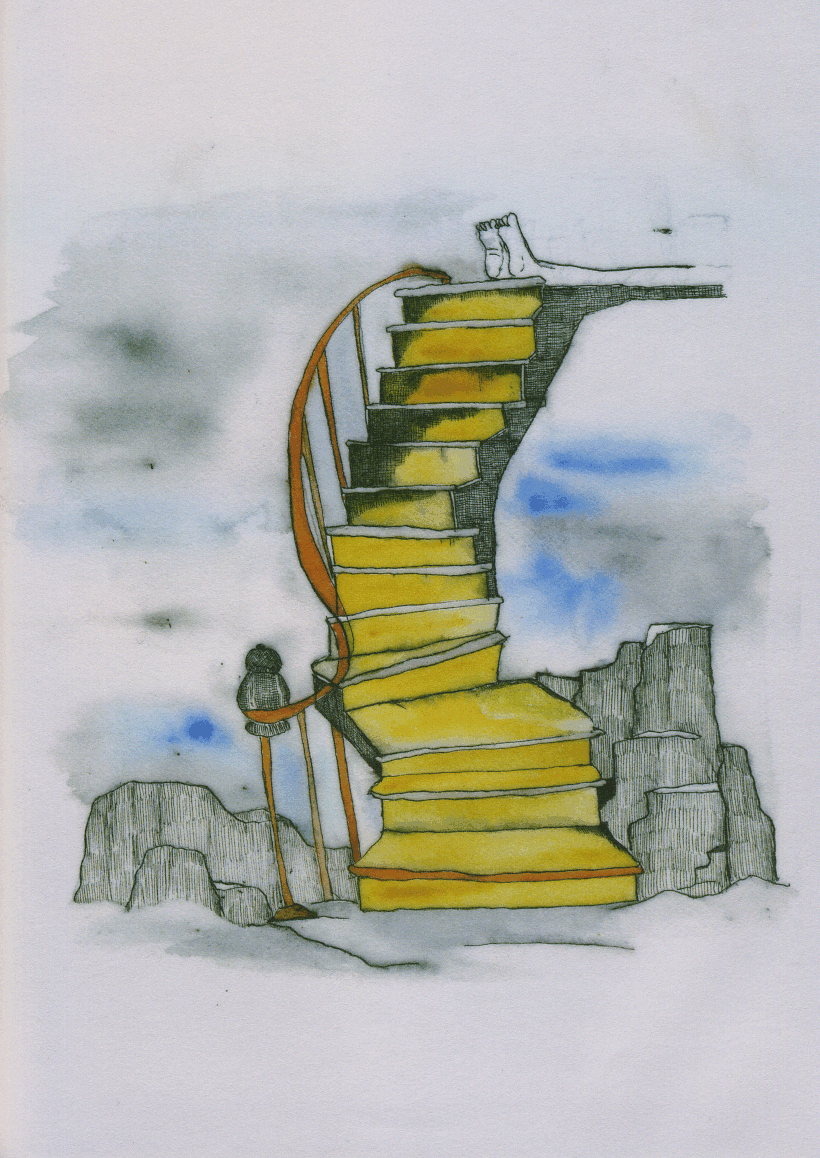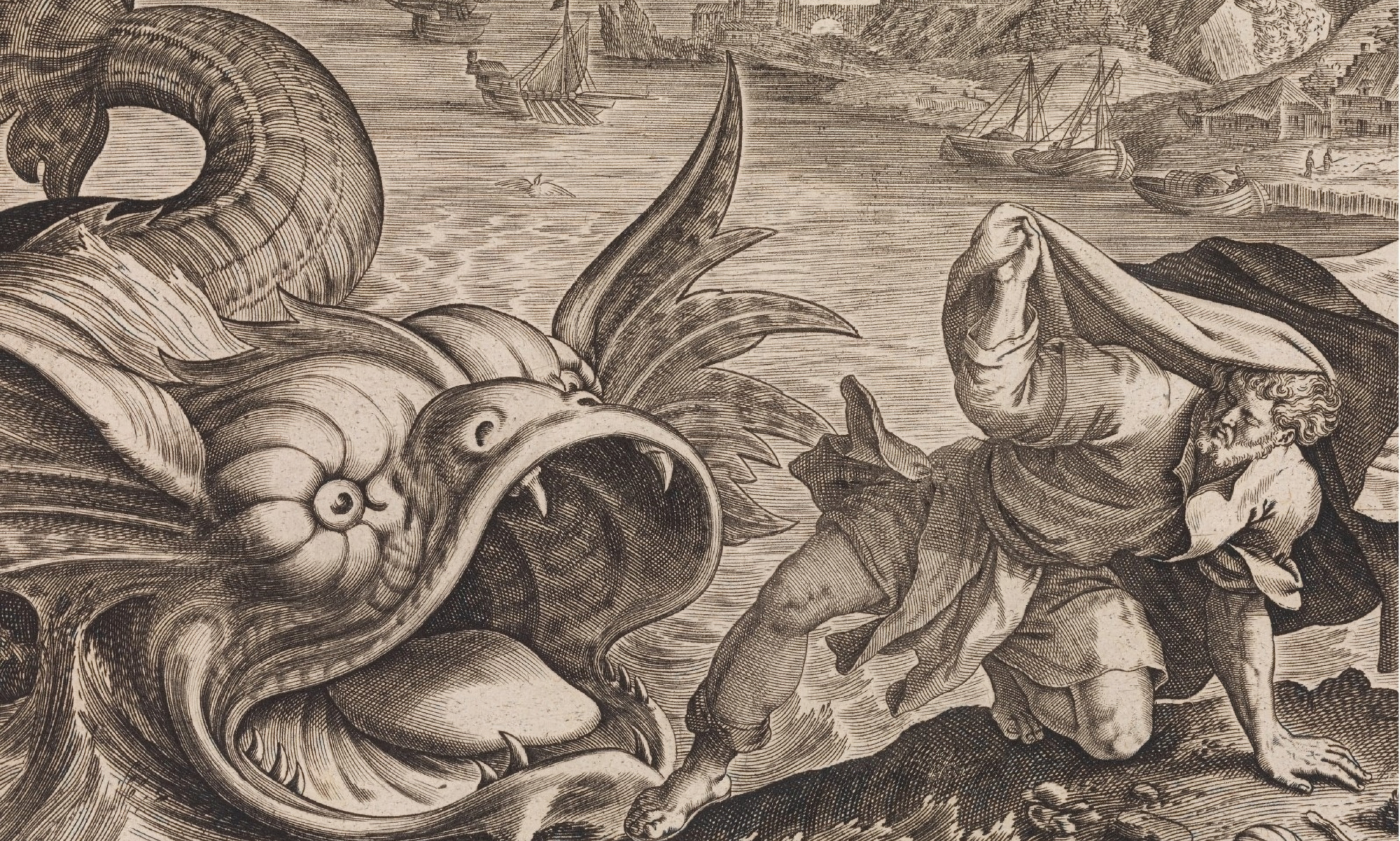
Playing a game with oneself?

One of my principles for the content of this blog to offer positive, life-affirming thoughts and perspectives. It is no coincidence, therefore, that there is much on love and hope in these posts. Having said that, I do not intend to pretend that every day is ‘a masterpiece’, to quote from Anne Carson’s latest book Red Doc>. Pain, grief and suffering are sadly a reality none of us can avoid, and hope is not always easy to sustain. Some might even struggle with the notion altogether, a perspective that I can relate to as well. It is expressed with characteristic brilliance in Carson’s Red Doc>:

prometheus
I planted blind hope in their hearts
chorus
why

prometheus
they were breaking
chorus
you fool

This dialogue between Prometheus and an ancient Greek chorus not only showcases Carson’s classicist background; it also features a poignant observation about hope, as do the following lines:

AND YET HOPE turns
out to be let’s face it
mostly delusion a word
derived from Latin ludere
meaning ‘to play a game
with oneself or with others’ …

As I said, there are times when this unfortunately does resonate with me, and yet, as Martin Luther King points out, ‘faith in the dawn arises from the faith that God is good and just’ (Strength to Love, as quoted before).

An edge that just breaks off

Sometimes you come to an edge that just breaks off.

Anne Carson, ‘The Anthropology of Water’, in Plainwater: Essays and Poetry

.

There is no choice then

Love is patient;
love is kind;
love is not envious
or boastful
or arrogant
or rude.

It does not insist on its own way;
it is not irritable or resentful;
it does not rejoice in wrongdoing,
but rejoices in the truth.

It bears all things,
believes all things,
hopes all things,
endures all things.

Love never ends.

These words from Paul’s First Letter to the Corinthians (13:4-8) have to be among the most challenging but also the wisest and truest comments ever made about love, true love, that is, love that fully deserves that name.

In ‘Decreation: How Women Like Sappho, Marguerite Porete and Simone Weil Tell God’, an essay I have referred to before, Anne Carson offers her own reflections on love, self and God in connection with the mysticism of Sappho, Marguerite Porete and Simone Weil. She notes, rightly, I think, that almost everything that passes as love is little more than self-love.

True love is characterised by patience and kindness. It cares for the Other, whoever that Other may be (love does not discriminate between who is, and isn’t, lovable), and does not insist on its own way. It bears, believes, hopes and endures everything; and it never ends. Now that is a challenge!

Yet, says Paul, I can have all knowledge and understanding, all faith even, but if I ‘do not have love, I am nothing’. There is no choice then, is there? It also is the most worthy of goals.

Everything that one can tell of God is as much lying as it is telling the truth

Anne Carson’s essay, ‘Decreation: How Women Like Sappho, Marguerite Porete and Simone Weil Tell God’ (in Decreation: Poetry, Essays, Opera), offers some intriguing thoughts on love, the self, God etc., while at the same time engaging in interesting ways with the three women mentioned in the title. She quotes Simone Weil (Gravity and Grace) as saying:

God gave me Being in order that I should give it back to him. … God allows me to exist outside himself. It is for me to refuse this authorization.

Having read Weil’s Waiting for God a little while ago, I am quite tempted to add Gravity and Grace to my burgeoning reading list as well.

Carson also quotes Marguerite Porete, who says of God that ‘His Farness is the more Near’. Carson comments:

I have no idea what this sentence means but it gives me a thrill. It fills me with wonder. In itself the sentence is a small complete act of worship, like a hymn or a prayer.

Porete’s phrase captures the tension of divine transcendence and immanence well, but I also love the way Carson expresses her fascination with it. On the same theme she once again quotes Weil, who remarks that ‘God can only be present in creation under the form of absence’.

Here, finally, is another Porete quote, this time expressing her apophatic theology:

For everything that one can tell of God or write, no less than what one can think, of God who is more than words, is as much lying as it is telling the truth.

.

How about this as a definition of love?

Love dares the self to leave itself behind, to enter into poverty.

Thus Anne Carson, in ‘Decreation: How Women Like Sappho, Marguerite Porete and Simone Weil Tell God’ (published in Decreation: Poetry, Essays, Opera)

Best Reads 2013. V: Anne Carson, Antigonick

Anne Carson, AntigonickThis is Anne Carson’s translation (and adaptation) of Sophocles’ play Antigone. Following on from Nox, an epitaph written on the occasion of her brother’s death, Carson here revisits the theme of mourning a lost brother, for the heroine of Sophocles’ play is condemned to nothing less than a living death in a sealed cave, all because she wished to bury her dead brother.

Anne Carson, AntigonickAntigonick is a powerfully compelling work, beautifully executed while at the same time, in typical Anne Carson fashion, bordering on the incomprehensible. The text is presented in handwriting (apparently Carson’s own), in capital letters and with hardly any punctuation. It is interlaced with rather surreal illustrations by Bianca Stone, printed on transparent vellum that overlays the text. It is not always clear how the illustrations relate to the text, but they contribute significantly to the beauty and appeal of the book as well as to its overall impact by heightening the absurdity of the world that Carson’s rereading presents.

Anne Carson, Antigonick
Illustration by Bianca Stone

Not an easy read this, but a fascinating one. Like Nox, it left me intrigued and deeply touched by Carson’s creative and harrowing ways of mourning her brother’s death.