Somehow Geryon made it to adolescence.
Thus opens the next chapter in Anne Carson’s Autobiography of Red, which is entitled ‘Change’. First though, still a twelve-year old, Geryon meets Herakles:
Herakles stepped off
the bus from New Mexico and Geryon
came fast around the corner of the platform and there it was one of those moments
that is the opposite of blindness.
‘One of those moments that is the opposite of blindness’. These are the kinds of phrases I so admire in Carson’s work.
Having become a teenager, Geryon acts his age:
He had recently relinquished speech.
His mother can only resort to irony:
Maybe I’ll just keep talking
and if I say anything intelligent you can take a picture of it. She inhaled.
Geryon had taken up photography, while his mother wants to know about his new friend:
So Geryon what do you like about this guy this Herakles can you tell me?
Can I tell you, thought Geryon.
Thousand things he could not tell flowed over his mind. Herakles knows a lot
about art. We have good discussions.
Carson’s story touches on many subjects. One of them is the issue of sexual awakening, a problematic one for Geryon, largely due, of course, to the abuse suffered at the hands of his brother:
Sex is a way of getting to know someone,
Herakles had said. He was sixteen. Hot unsorted parts of the question
were licking up from every crack in Geryon,
he beat at them as a nervous laugh escaped him.
…
Tell me, said Geryon and he intended to ask him, Do people who like sex
have a question about it too?
but the words came out wrong – Is it true you think about sex every day?
All the while he is deeply affected by Herakles: ‘Geryon felt all nerves in him move to the surface of his body’ – ‘His voice washed Geryon open’ – ‘Staring at him Geryon felt his soul move in his side’.
There are lovely descriptions of his behaviour, that of a true introvert:
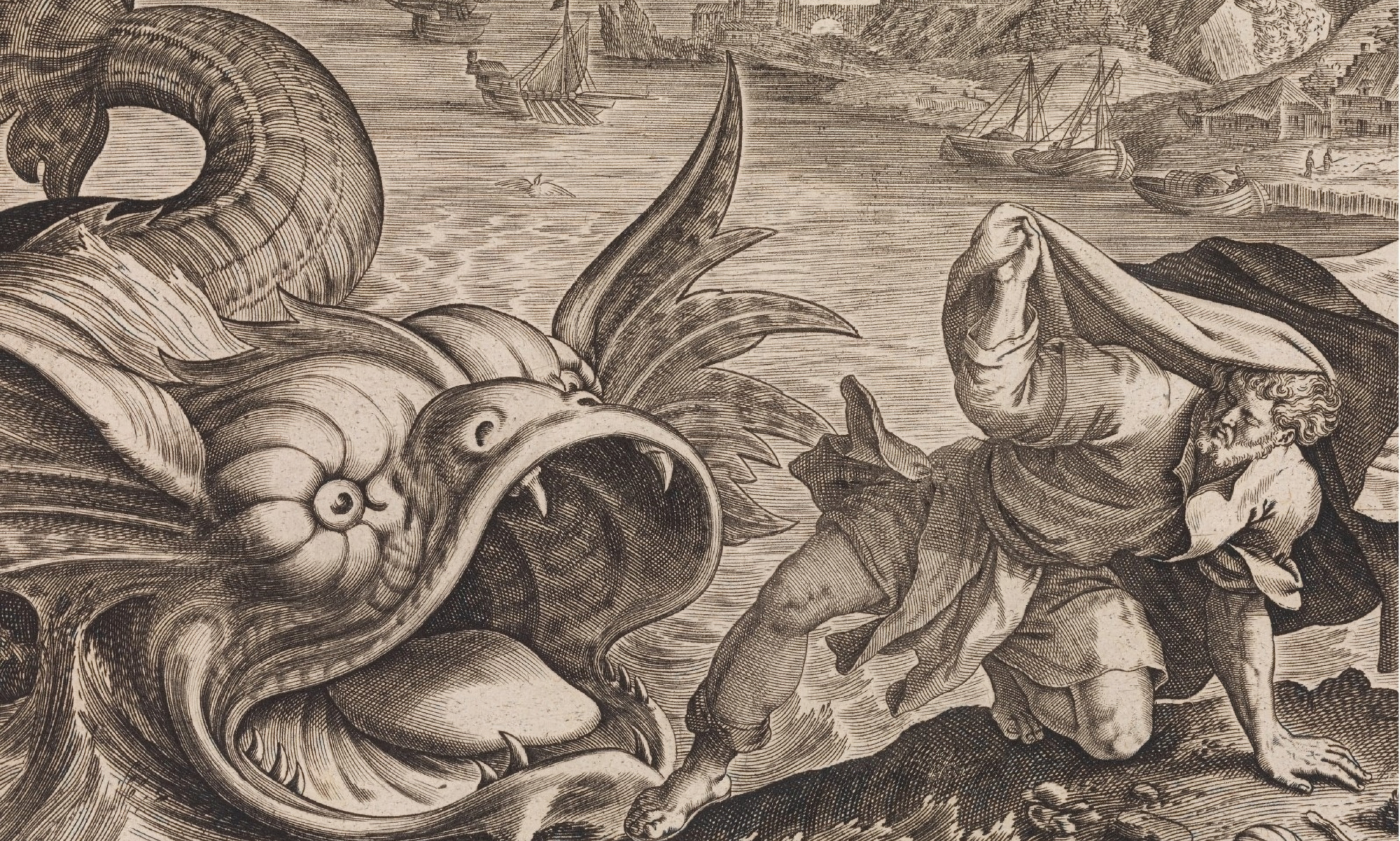
Why do you have your jacket over your head?
……………………………………
Can’t hear you Geryon. The jacket shifted. Geryon peered out. I said sometimes
I need a little privacy.
He is still working on his autobiography, which has progressed from the sculpture work he did as a child to producing a photographic essay.
This was when Geryon liked to plan
his autobiography, in that blurred state
between awake and asleep when too many intake valves are open in the soul.
I can relate to that description of the early morning as a time ‘when too many intake valves are open in the soul’. That he worked on his autobiography ‘from the age of five to the age of forty-four’ also resonates with me. As I have said on the ‘Story’ page, quoting Walter Brueggemann, our ‘story must be told, tested, and retold countless times’ as part of our ongoing attempt to make sense of our lives.
There is a wonderful moment when Geryon catches the arm of Herakles’ grandmother, which ‘was like a handful of autumn’. Her voice in turn is likened to ‘old coals’.
Geryon gets lovesick, which Carson again captures beautifully. Having come home with a t-shirt his mother hasn’t seen before, she wants to know where he got it from.
Herakles gave it – and here Geryon had meant
to slide past the name coolly
but such a cloud of agony poured up his soul he couldn’t remember
what he was saying.
Each morning a shock
to return to the cut soul.
Pulling himself onto the edge of the bed he stared at the dull amplitude of rain.
Buckets of water sloshed from sky
to roof to eave to windowsill. He watched it hit his feet and puddle on the floor.
…
Rain lashing the kitchen window
sent another phrase
of Herakles’ chasing across his mind.
The chapter that introduces Geryon’s lovesickness is entitled ‘Fruit Bowl’. There is much that could be said about it, especially as the motif of the fruit bowl is an important and a recurring one, having already played a significant part in connection with Geryon’s fraught relationship with his brother. Once again though you will just have to read for yourselves.
Then the inevitable happens: Herakles ends the relationship.
I want you to be free.
Don’t want to be free want to be with you. Beaten but alert Geryon organized all
his inside force to suppress this remark.
‘Tunnel’ is where we leave Geryon for now, suffering, as he is, the consequences of ‘the human custom of wrong love’, as Carson puts it.
 Karl Möller