It is a feature of reconciliation that the person offering forgiveness cannot expect the other party fully to understand the depths of their offence.
Samuel Wells, Power and Passion: Six Characters in Search of Resurrection
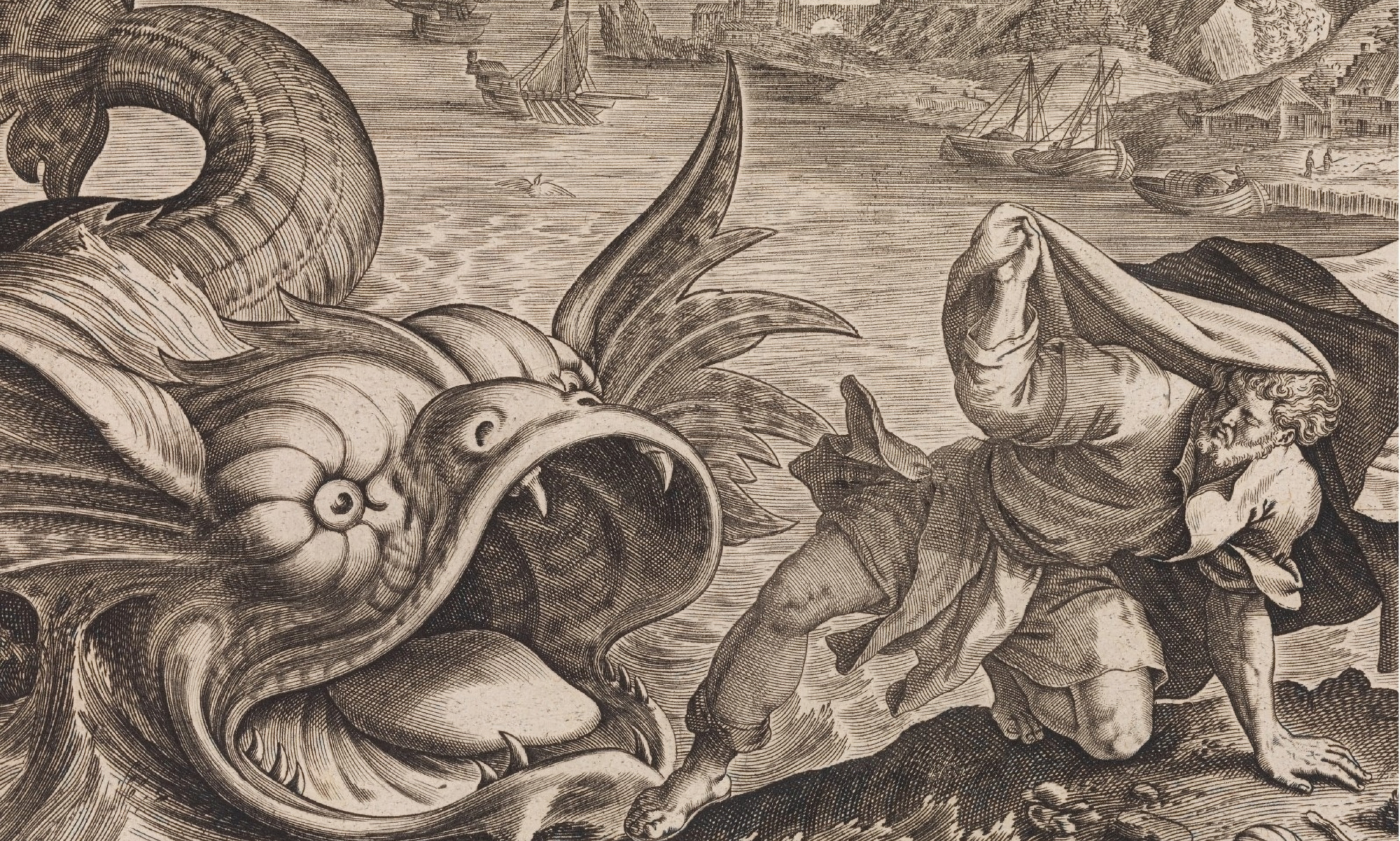
‘I wonder sometimes if the teacher is not the real student and beneficiary’ (George Steiner)
It is a feature of reconciliation that the person offering forgiveness cannot expect the other party fully to understand the depths of their offence.
Samuel Wells, Power and Passion: Six Characters in Search of Resurrection
Anne Carson is brilliant. I have only admiration for her creativity and use of language.
In ‘Red Meat: What Difference Did Stesichoros Make?’ (published in Autobiography of Red), she discusses Stesichoros’s literary contribution, which, in her estimate, consists in breaking the constraints of Homeric epic. ‘Homer’s epithets’, Carson says, ‘are a fixed diction with which Homer fastens every substance in the world to its aptest attribute and holds them in place for epic consumption.’
How does Homer do that? By using a stock repertoire of adjectives, ‘the latches of being’. If nouns name the world and verbs activate those names, then, says Carson, adjectives ‘are the latches of being’. Wow! What an ingenious way of describing the function of adjectives!
So how does Stesichoros come into this? By leaving Homer’s stock repertoire behind and coming up with novel descriptions. Or, in Carson’s words, by ‘undoing the latches’.
His strange red cattle excited envy Herakles came and
Killed him for his cattleThe dog too
‘Red Meat: Fragments of Stesichoros’, in Anne Carson, Autobiography of Red
Words, if you let them, will do what they want to do and what they have to do.
Anne Carson, ‘Red Meat: What Difference Did Stesichoros Make?’ in Autobiography of Red
.

(Henri J. M. Nouwen, The Inner Voice of Love)
 ooking for something else, I stumbled across some quotes I copied from Wm. Paul Young’s The Shack some time ago. This book had a profound impact upon me at a time of the most intense inner turmoil. Rereading the extracts many months later, I was once again touched by the deep wisdom found in these lines.
On forgiveness and kindness:
Every time you forgive, the universe changes; every time you reach out and touch a heart or a life, the world changes; with every kindness and service, seen or unseen, [God’s] purposes are accomplished and nothing will ever be the same again.
And again on forgiveness, but also on relationships and how forgiveness, while important, is not the whole story:
Unless people speak the truth about what they have done and change their mind and behavior, a relationship of trust is not possible. When you forgive someone you certainly release them from judgment, but without true change, no real relationship can be established.
The next thought follows on from the previous reference to change:
Growth means change and change involves risk, stepping from the known to the unknown.
Some further reflections on relationships – and the problem of power:
Each relationship between two persons is absolutely unique. That is why you cannot love two people the same. It simply is not possible. You love each person differently because of who they are and the uniqueness that they draw out of you. And the more you know another, the richer the colors of that relationship.
Relationships are never about power, and one way to avoid the will to power is to choose to limit oneself – to serve.
And, moving on to different issues, some interesting observations on law, control, superiority and certainty:
Trying to keep the law is actually a declaration of independence, a way of keeping control. … [The law] grants you the power to judge others and feel superior to them. You believe you are living to a higher standard than those you judge. Enforcing rules, especially in its more subtle expressions like responsibility and expectation, is a vain attempt to create certainty out of uncertainty. And contrary to what you might think, [God has] a great fondness for uncertainty. Rules cannot bring freedom; they only have the power to accuse.
 Karl Möller