 eryon struggles on in Anne Carson’s Autobiography of Red, grieving for the devastating loss of a lover. But we also learn about other aspects of his life. Like Carson herself (there are strong autobiographical references in this story), he is a linguist. And so, sat in a café in Buenos Aires, ‘he rummaged inside himself for Spanish phrases’. Yet what he found was that
German irregular verbs
were marching across his mind as the waiter drew up at his table and stood …
Two key issues that pervade the narrative are Geryon’s difficulties with self-acceptance (being red and endowed with wings, he is noticeably different from everyone else) and how he is perceived by others. Thus there is
the fear of ridicule,
to which everyday life as a winged red person had accommodated Geryon early in life …
as well as this telling dialogue with a woman he met in a bar:
Who can a monster blame for being red?
What? said Geryon starting forward.
I said looks like time for you to get home to bed, she repeated, and stood,
pocketing her cigarettes.
One of his endearing character traits is a desperate need for order. As he enters a lecture room, we are told:
Geryon disliked a room without rows.
His brain went running back and forth over the disorder of desks trying to see
straight lines. Each time finding
an odd number it jammed then restarted.
On another occasion, he struggles when someone he has enjoyed a good conversation with leaves the bar, abandoning him to the company of virtual strangers.
Oh don’t go, thought Geryon who felt himself starting
to slide off the surface of the room
like an olive off a plate. When the plate attained an angle of thirty degrees
he would vanish into his own blankness.
And so:
Geryon subsided into his overcoat
letting the talk flow over him warm as a bath.
Once more, I am finding myself amazed at how well Carson captures the panic an introvert might face in a situation like that.
But loss and grief remain his main problems. In a conversation with another stranger the issue of emotionlessness or artaraxia comes up, which Geryon defines as ‘absence of disturbance’ but which so evidently eludes him. Whatever he does,
Under the seams runs the pain.
In his desire to come to terms with his struggle and life generally, he eventually takes up philosophy:
We would think ourselves continuous with the world if we did not have moods.
It is state-of-mind that discloses to us
(Heidegger claims) that we are beings who have been thrown into something else.
Something else than what?
Geryon leaned his hot forehead against the filthy windowpane and wept.
Something else than this hotel room …
Geryon sat on his bed in the hotel room pondering the cracks and fissures
of his inner life. …
…
Yet Geryon did not want
to become one of those people
who think of nothing but their stores of pain. He bent over the book on his knees.
Philosophic Problems.
‘… I will never know how you see red and you will never know how I see it.
But this separation of consciousness
is recognized only after a failure of communication, and our first movement is
to believe in an undivided being between us ….’
Carson so brilliantly exposes the autobiographical dimension that inheres in our work and study. Geryon, for obvious reasons, is particularly intrigued by the notion of redness. More generally though he is concerned with perception (how we perceive ourselves and are perceived by others), consciousness and the impossibility of communication.
His reading also leads him to explore the nature of depression:
‘Depression is one of the unknown modes of being.
There are no words for a world without a self, seen with impersonal clarity.
All language can register is the slow return
to oblivion we call health when imagination automatically recolors the landscape
and habit blurs perception and language
takes up its routine flourishes.’ He was about to turn the page for more help …
Yet again, Carson offers such an intriguing perspective in these lines. There are quite a few fascinating angles here, but I particularly love the final words, ‘he was about to turn the page for more help’.
And then the inevitable happens …
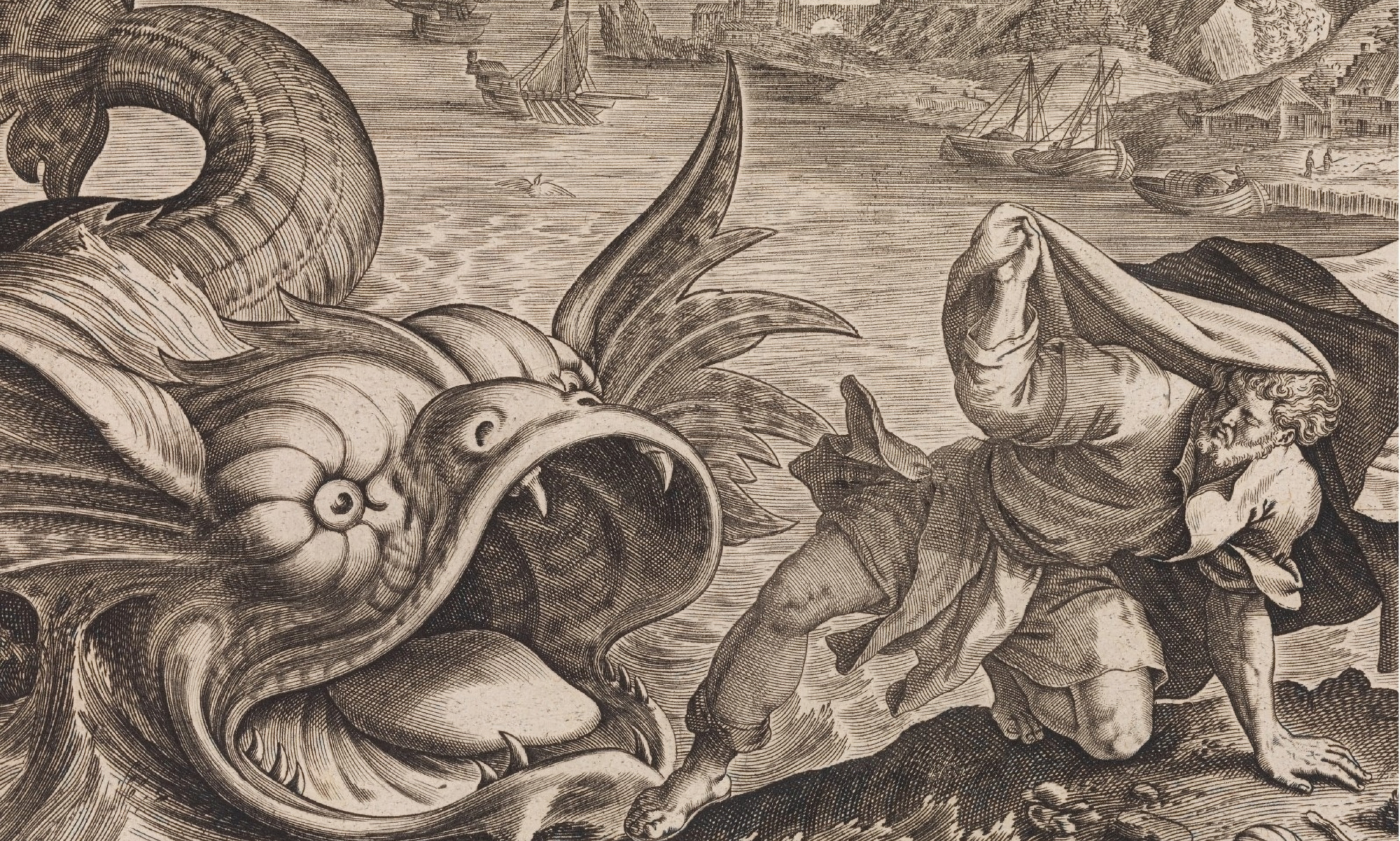


 Karl Möller