One fingernail at a time

When Christians try to exercise power as if it were God doing it, cruelty and suffering and tyranny follow swiftly. In short order, we get the steely-eyed monks of the Inquisition trying to drag the Moors and Jews of Spain into perfect orthodoxy, one fingernail at a time; we get the theocrats of Protestant New England hanging Quakers …; we get holy war, with weapons of ever-increasing sophistication. We get Guantánamo.

Francis Spufford, Unapologetic

Love recklessly

Some quotes on love and forgiveness from Francis Spufford’s recent book Unapologetic:

If someone asks for your help, give them more than they’ve asked for. If someone hits out at you, let them. Don’t retaliate. Be the place the violence ends. Because you’ve got it wrong about virtue. It isn’t something built up from a thousand careful, carefully measured acts. It comes, when it comes, in a rush; it comes from behaving, so far as you can, like God himself, who makes and makes and loves and loves and is never the less for it. God doesn’t want your careful virtue, He wants your reckless generosity.

God … wants us to love wildly and without calculation. God wants us to love people we don’t even like; people we hate; people who hate us.

We’re supposed as Christians to go out and love recklessly, as God does. We’re supposed to try and imitate Jesus in this, and to be prepared to follow love wherever it goes, knowing that there are no guarantees it’ll be safe, or that the world will treat such vulnerability kindly. ‘Take up you cross and follow me,’ says Jesus … risk everything, even death. Take love’s consequences.

We’re supposed to see God’s willingness to mend, to forgive, to absorb and remove guilt, as oceanic; a sea of love without limit, beating ceaselessly on the shores of our tiny island of caution and justice, always inviting us to look beyond, to begin again, to dare a larger and wilder and freer life. But it is possible to shrink it instead into something like a Get Out of Jail Free card, to be played by God only very occasionally in a game otherwise dominated by the same old rewards and punishments, human justice writ large all over the cosmos.
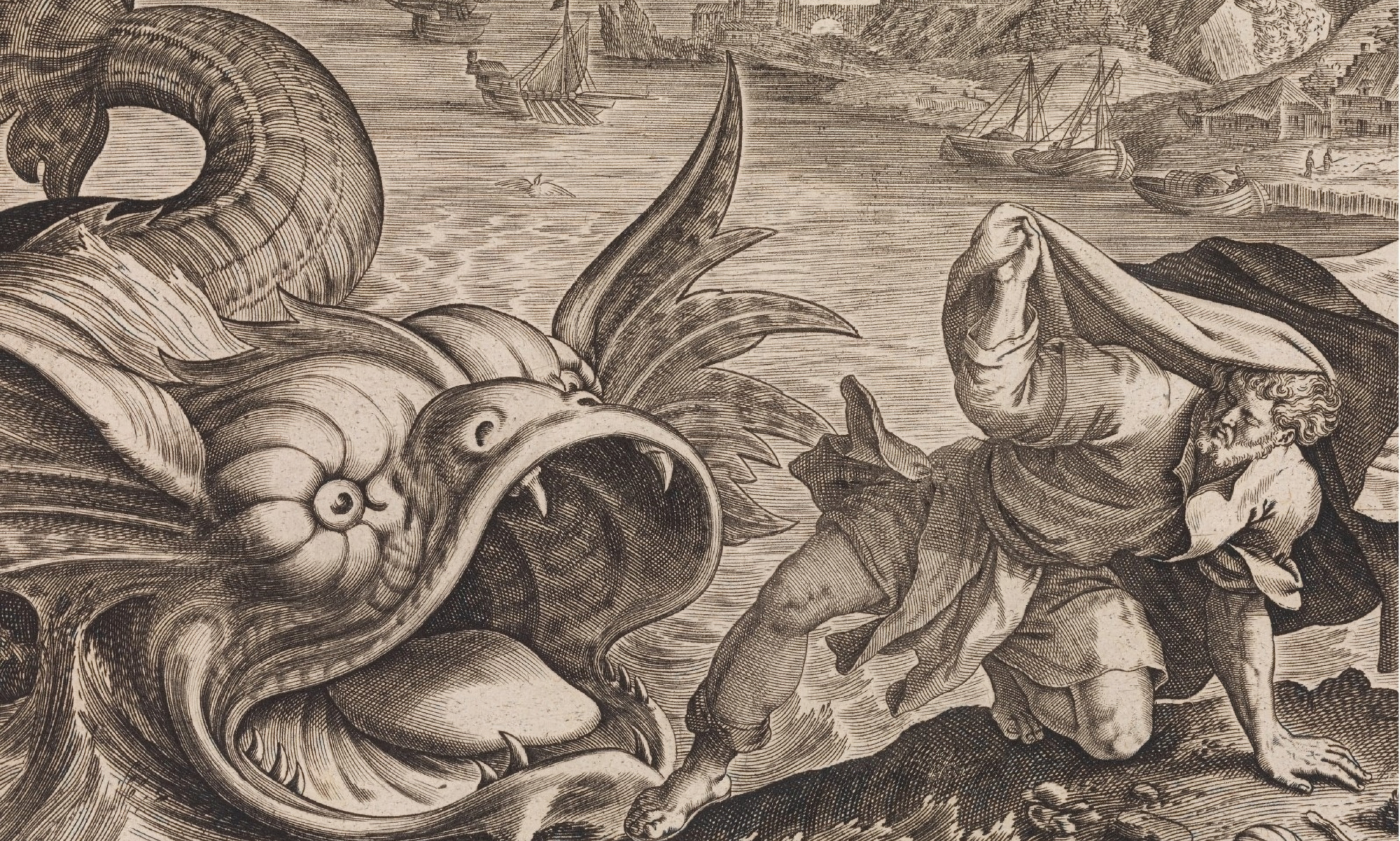
Amos and social networking

Here’s a (post-) modern take on the prophet Amos for you:

Amos’s longest oracles contain fewer words than the typical blog posting. His shortest oracles are brief enough to be a Facebook status update or a tweet on Twitter.

From Christopher R. Smith, Prophets before the Exile: Amos, Hosea, Micah, Zephaniah, Nahum, Habakkuk.

Cornfields

In Deventer … there was contact with God and with every person I met …. There were cornfields I shall never forget, whose beauty nearly brought me to my knees …. And the sun, which I drank in through all my pores. And back here each day is a thousand fragments, … and God, too, has departed.

An Interrupted Life: The Diaries and Letters of Etty Hillesum 1941–43

Accepting the darkness

There is a deep rightness in accepting the darkness of doubt and uncertainty on our spiritual journey, reflected as it is in the seasonal growing of the dark and of the cold. There is an appropriate place for letting ourselves go into what is unknown and unsure.

Janet Morley, Haphazard by Starlight

Hope = resignation?

Here’s another Camus quote, again from ‘Summer in Algiers’. I’m somewhat ambiguous about this one, although I can certainly see his point. Anyway, here it is:

Contrary to the general belief, hope equals resignation. And to live is not to resign oneself.

I can see that hope can equal resignation and probably more often does than we realise. But is this always true?