Your gift

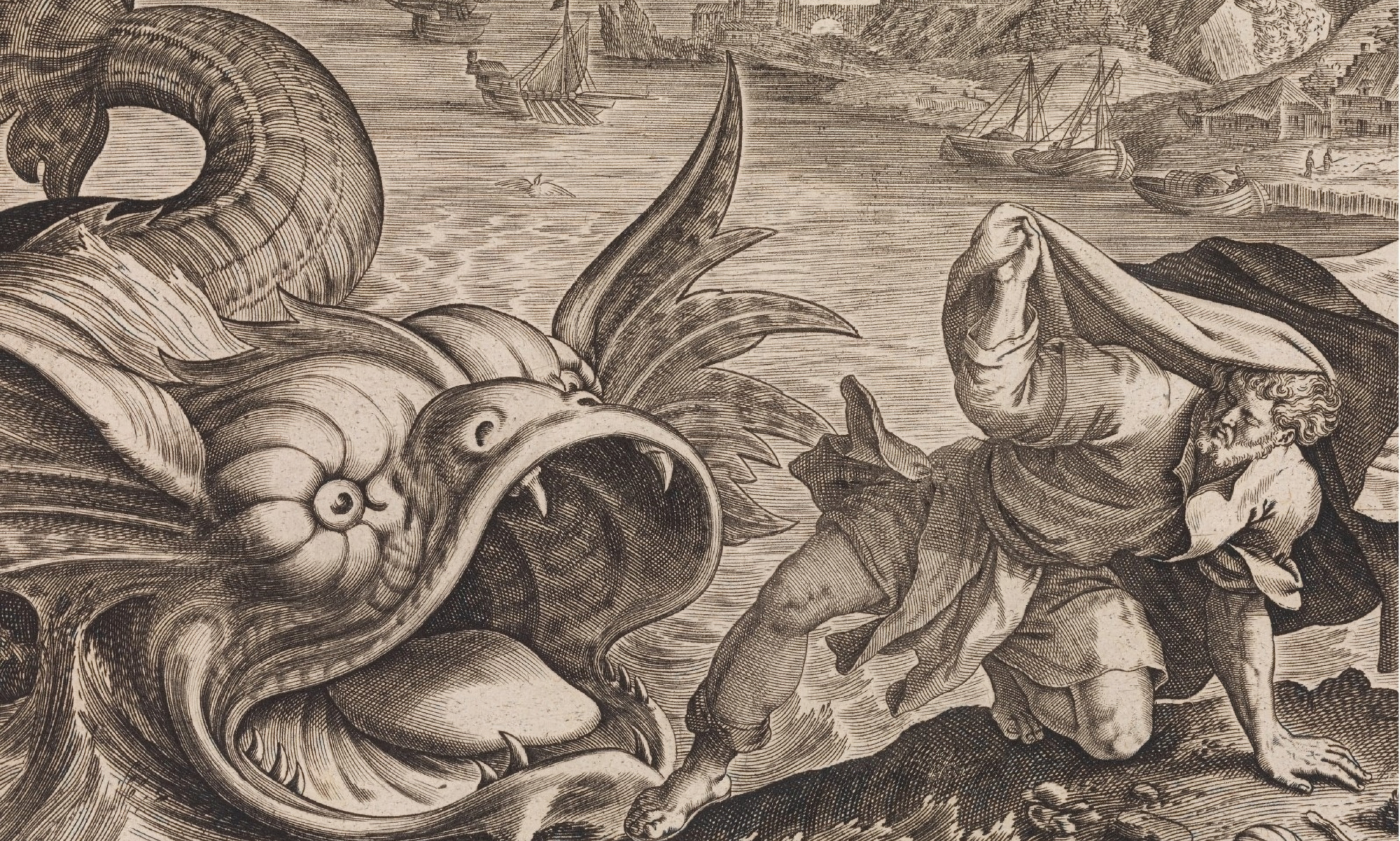
Some of the deepest longing in you is the voice of your gift. … The only way to honour the unmerited presence of the gift in your life is to attend to the gift; this is also a most difficult path to walk. … The gift alone knows where its path leads. It calls you to courage and humility. If you hear its voice in your heart, you simply have to follow it. … People who truly follow their gift find that it can often strip their lives and yet invest them with a sense of enrichment and fulfilment that nothing else could bring.

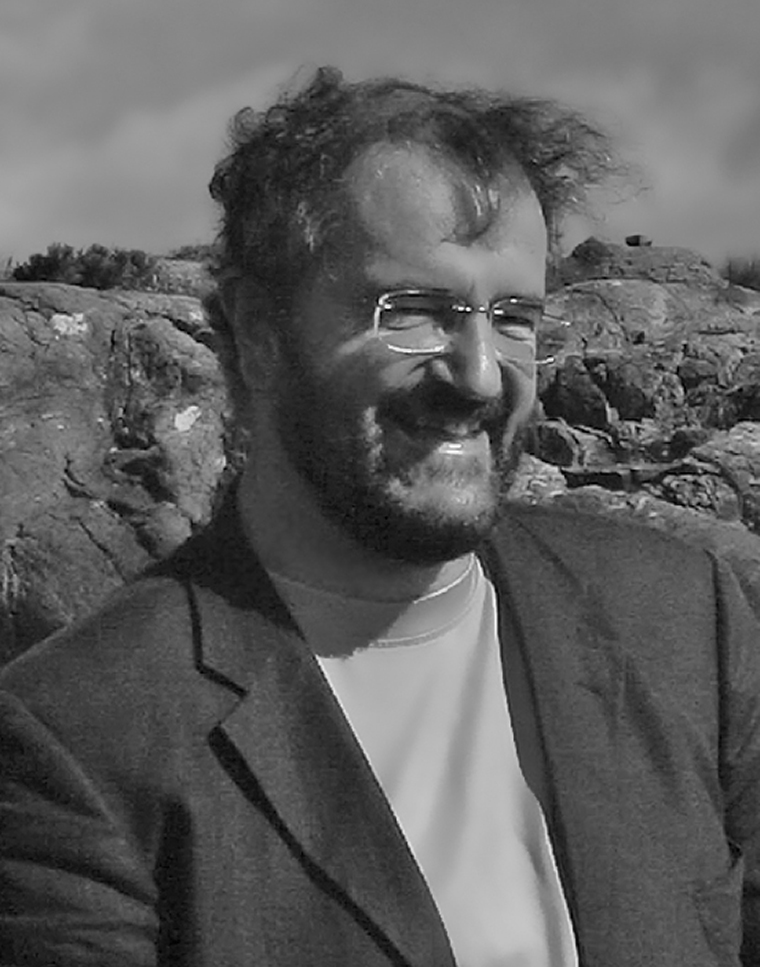
John O’Donohue, Eternal Echoes

This whole passage is stimulating and deeply insightful, but I was most struck by the concept of the gift stripping our lives if we follow it. Following one’s gift might involve being an uncompromising, prophetic voice in an environment where such a voice is not welcome – which is probably true for most environments. Martin Luther King Jr comes to mind, whose gift stripped his life in that it led to fierce, violent, and in his case ultimately deadly opposition.

I suppose it can be a deep honour for one’s life to be stripped, an honour that those who respond to someone’s exercise of their gift in power-abusing, coercive, violent ways unwittingly and ironically award them.
Homelessness as ethical and aesthetic normativity

Being at home means belonging, but it also means constructing borders and excluding the other. Any kind of group identification constructs the social category of the other. Homes are primarily sites of exclusion, not inclusion. The notion of the home nourishes racism and xenophobia. The German Jewish philosopher Theodor Adorno, himself exiled by the Nazis, believed that ‘it is part of morality not to be at home in one’s home’ ….

It is only in homelessness that genuine hospitality becomes possible. Homelessness means not recognizing anywhere as home. […] Homelessness as a paradigm, as a way of being in the world, as a lifestyle, as ethical and aesthetic normativity opens the door to accepting the other as she is, not as we want her to be.

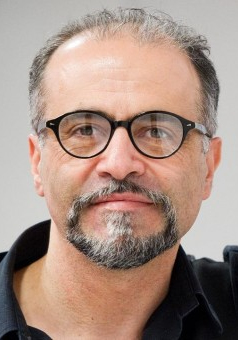
Shahram Khosravi, ‘Illegal Traveller’: An Auto-Ethnography of Borders; the reference is to the German Jewish philosopher Theodor Adorno’s work Minima Moralia.

These are radical words by someone who has himself experienced what it means to be homeless. Is Khosravi right that genuine hospitality is possible only in homelessness? It would be all too easy to take issue with this, arguing that it goes several steps too far.

However, looking at it from a Christian perspective, one is reminded of Paul’s words to the Philippians, who are told that ‘our citizenship is in heaven’ (Philippians 3:20). The letter of 1 Peter, in turn, is addressed ‘to God’s chosen strangers in the world of the diaspora’ (1 Peter 1:1), who are described as ‘immigrants and strangers in the world’ (2:11). Homelessness, indeed, was the chosen state of the one whom Christians profess to follow and who once said of himself that he had ‘no place to lay his head’ (Luke 9:58).

Khosravi’s are radical words indeed, but they need to be taken with utmost seriousness if we are concerned about genuine hospitality and accepting the ‘other’ as they are.

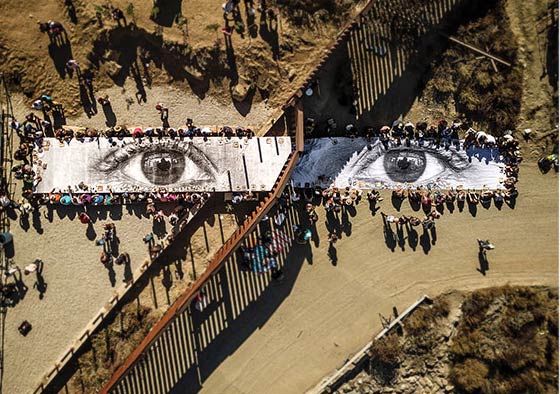
Giant Picnic

JR, Giant Picnic, 2017
JR, Giant Picnic, 2017

On October 8, 2017, the anonymous installation artist known only as JR held a picnic at an enormous table constructed on both sides of the border fence that separates the Mexican city of Tecate from Tecate, California. He had painted the table with a pair of eyes, one positioned on either side of the border.

This communal act of radical hospitality came the month after President Donald Trump had provisionally rescinded the DACA (Deferred Action for Childhood ­Arrivals) program that had allowed ‘Dreamers’, undocu­mented migrants who had entered the country as children, a path to US citizenship. As JR was organizing the picnic, Trump had renewed calls for a wall to be built along the Mexican border.

‘Hundreds of guests came from the United States and Mexico to share a meal together,’ wrote JR. ‘People gathered around the eyes of a Dreamer, eating the same food, sharing the same water, enjoying the same music (half of the band on each side). The wall was forgotten for a few moments.’ JR is known for his dramatic, epic-scale works of art, which he has installed in divided communities across the world. More of his work can be seen at jr-art.net.

From Plough no. 18 (Autumn 2018)

What is sacred in democracy

Whenever the political climate becomes racist, totalitarian or based on the notion of unity through community, the role of democrats everywhere is no longer to support the preferences of the majority but to see that the rights of the oppressed are respected, if necessary in the face of numerical superiority.

What is sacred in democracy is not mechanisms but values. What must be respected, absolutely and without concession, is the dignity of human beings – all human beings, men, women and children, whatever their beliefs or their colour, and whether they are many or few.

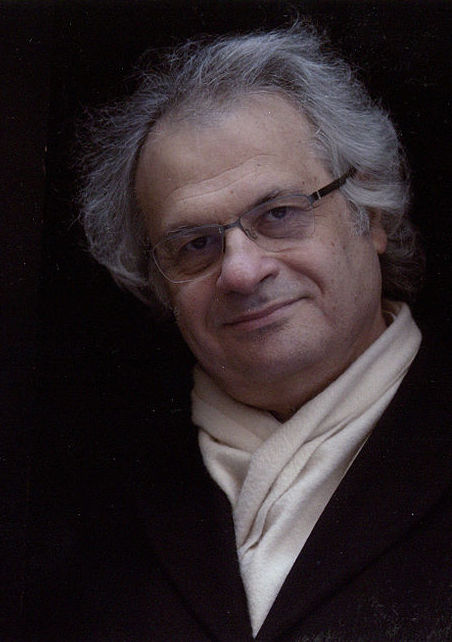
Amin Maalouf, On Identity

Living in a place cluttered with our emptiness

Here are a couple of quotes from Luce Irigaray’s brilliant book Sharing the World.

The first one is a beautiful reminder of the gratuity of nature:

proxy.duckduckgoThe light of the stars, the music of the winds, the song of the birds … do not force us to do anything; rather they give assistance to our existence, put a surplus of life at our disposal, remind us of what or who we are.

I was also struck by her thoughts on the emptiness that clutters our place:

The place in which we live … is cluttered with our objects, our projections, our repetitions, our habits and tautologies. It is both enclosed and partly cluttered with our own emptiness.

The whole book is a gem, full of wisdom and insights, not least concerning how we (ought to) engage with the Other, wisdom and insights our contemporary Western world would do well to heed.