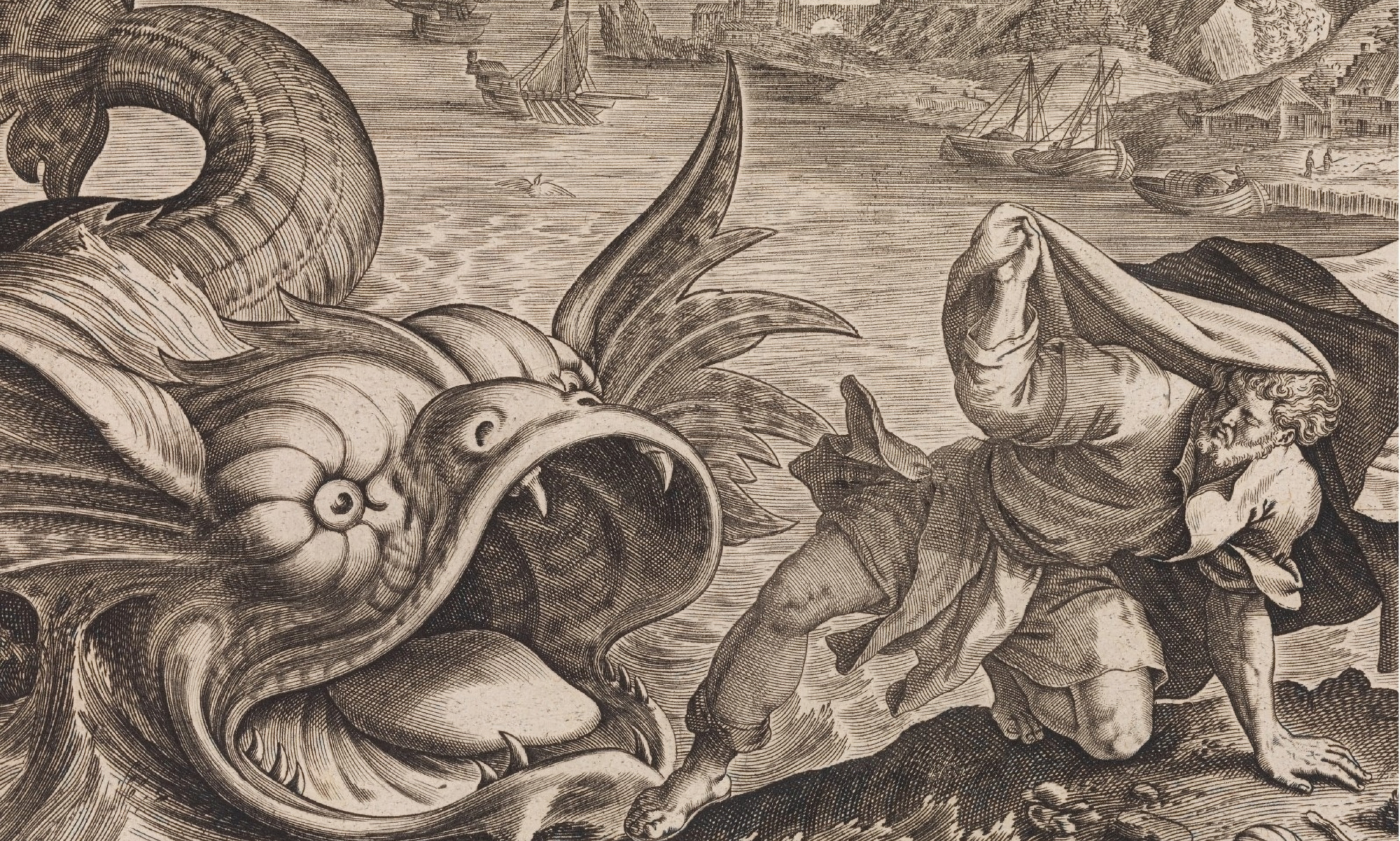
Defiant Jonah, Unethical God? Re-reading Jonah and
Embracing a Spirituality of Radical Absurdity
This book, which is currently in preparation, will offer a dialogical, carnivalesque reading of Jonah, a reading that is attuned to its humour without interpreting it as satire. According to Mikhail Bakhtin, ‘the satirist whose laughter is negative places himself above the object of his mockery, he is opposed to it’. In a carnivalesque understanding, humour is being used not to put anyone down but as a laughing ‘with’ the inherent absurdity of the world; and the text is seen as functioning as some ‘kind of literary laboratory in which to test ideas by pushing them to absurd limits’.
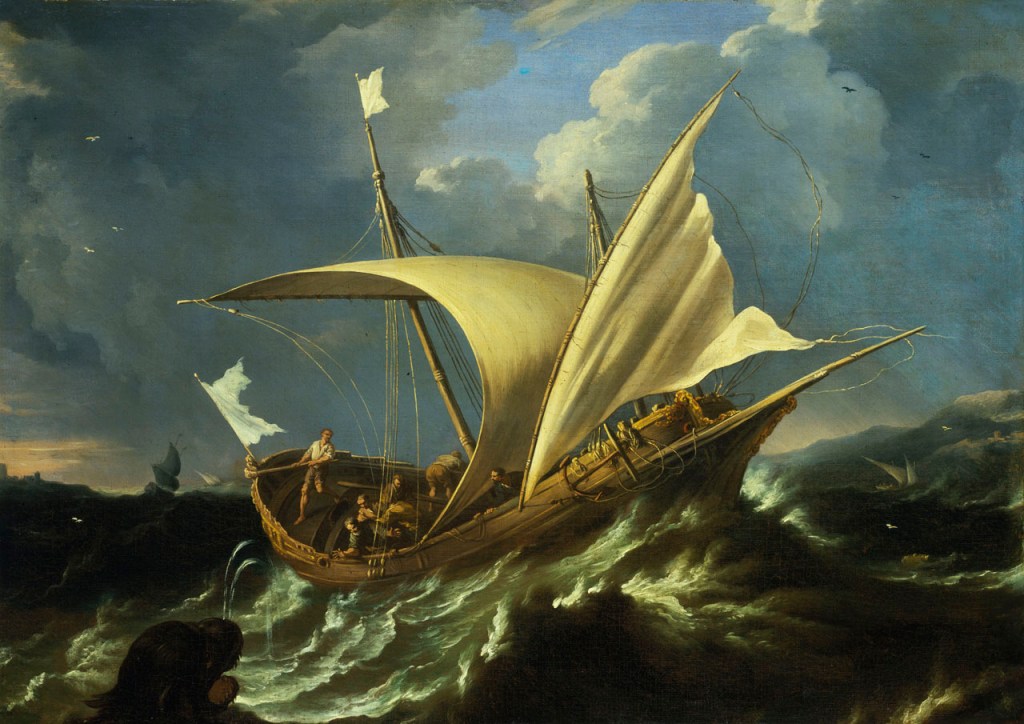
Yvonne Sherwood suggests that the author of Jonah is ‘trying out the principle of universal mercy in the most extreme circumstances, asking a fantastic “What if” – What if Nineveh, the “bloody city” as Nahum puts it, the equivalent of [the] Berlin of the Third Reich, repents?’ In posing that question, the book of Jonah is interacting critically with the Old Testament’s prophetic tradition. However, whereas monologic readings tend to suppress ‘all rival perspectives’, dialogical readings and/or texts allow all characters to ‘develop their positions to “maximal force and depth”’. They toy with every perspective. In the case of Jonah, the book ‘wrestles with the theological dissonances of a people whose experience of the world has not conformed to any predictable model’. In light of this, the book is leading us to wonder aloud: ‘What if the world is not as simple, ordered and predictable as the prophetic voice often assumes?’
 Karl Möller